For years, the lines between a "laundry" and a "dry cleaning" business in Nigeria have been blurred. Most neighborhood "dry cleaners" are actually just professional washers who use industrial detergents and a very hot iron. While this works for everyday wear, it is a disaster for expensive senators, delicate silks, complex traditional lace, and high-end wedding gowns.
In 2026, the Nigerian market is demanding true garment care. As the middle class grows, so does the investment in expensive clothing. A real dry cleaning business does not use water as its primary cleaning agent; it uses a specialized chemical solvent to remove stains without shrinking or damaging delicate fibers. Starting a dry cleaning business in Nigeria requires more technical knowledge and capital than a standard laundromat, but the profit margins are significantly higher. This guide explains the core requirements for entering this premium market.
Laundry vs. Dry Cleaning (The Chemical Difference)
The biggest mistake new entrepreneurs make is advertising "Dry Cleaning" when they are only offering "Laundry."
- Laundry: Uses water and detergent. The agitation of the machine can damage delicate fibers.
- Dry Cleaning: A non-water-based process using a solvent. Clothes are placed into a machine that looks like a giant washer, but the "liquid" is actually a chemical that dissolves oils and stains. The solvent is then extracted, filtered, and reused.
Specialized Dry Cleaning Machinery
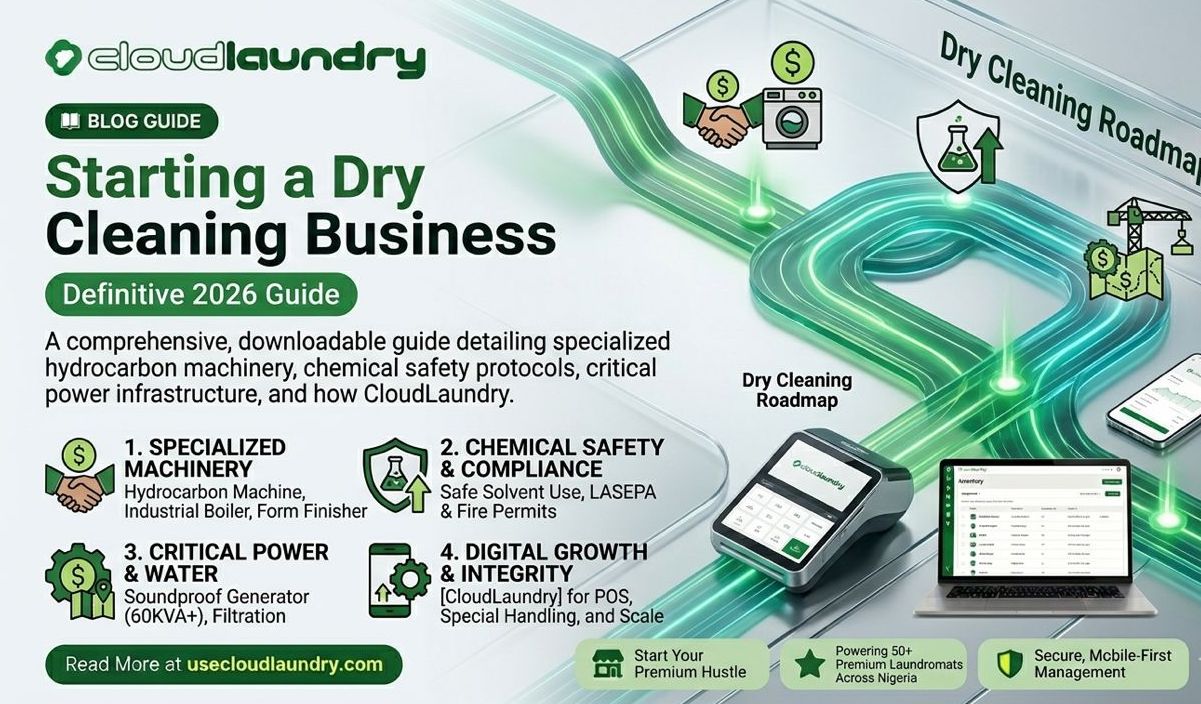
To offer real dry cleaning, you need specialized equipment. Domestic tools are not an option.
- The Dry Cleaning Machine: The core of your operation. This is a closed-loop system that washes, extracts, and dries the garments using a specific solvent.
- Hydrocarbon vs. PERC (Perc): In 2026, the global trend (and increasingly, Nigerian environmental regulations) is moving away from Perchloroethylene (PERC), which is considered a carcinogenic solvent. Hydrocarbon machines are the safer, more modern, and eco-friendly alternative, though they are more expensive to purchase.
- Industrial Steam Generator and Vacuum Table: A standard ironing board cannot create the finished, "shine-free" look of a professionally dry-cleaned suit.
- Form Finisher (Dolly): An automated device that uses steam to shape and finish jackets, shirts, and dresses from the inside out, removing wrinkles without crushing the fabric structure.
Power and Water (The Nigerian Challenges)
Dry cleaning machines are massive power consumers.
- Power: A true industrial dry cleaning machine cannot run on a 15KVA generator. You must anticipate a requirement of 60KVA to 100KVA (soundproof diesel) to run the main machine, steam generator, and finishing equipment simultaneously. You also need a stabilizer to protect this sensitive equipment from the volatile Nigerian grid.
- Water: While the process is non-water-based, your steam generator and cooling system for the solvent need a massive and stable supply of clean, filtered water. Brown borehole water from Port Harcourt or Lagos will stain fabrics and damage your steam boiler. A filtration system is mandatory.
Chemical Safety and Compliance
Operating a dry cleaning business in Nigeria requires higher levels of regulatory compliance than a standard laundry.
- Environmental Health (State & Federal): You must be registered with the State Environmental Protection Agency (e.g., LASEPA in Lagos) and federal bodies because you are handling chemical solvents. You will need certificates for safe chemical storage and disposal.
- Fire Safety (Fire Service): Dry cleaning solvents are often flammable (especially older hydrocarbon versions). You will need specialized fire suppression systems, proper ventilation, and regular inspections.
The Digital Integrity Requirement
When you are charging ₦5,000 to clean a single senator suit, a paper notebook is no longer acceptable. A true dry cleaning business needs digital integrity to manage client garments, handle payments, and maintain trust.
Practical Example (The "Delicate" Disaster)
Consider a new "dry cleaner" in Abuja who was actually only offering laundry services. A client brought in a delicate ₦150,000 silk gown for cleaning. The owner washed it in a standard machine. The gown shrank, the colors bled, and the silk lost its sheen.
The client demanded compensation. The owner had no audit trail (paper receipt was lost). They spent ₦150,000 on compensation, wiping out their profit for three months. By implementing CloudLaundry, they could have used the "Special Handling Notes" feature to flag delicate items. They would have used the audit log to prove they followed standard operating procedures. The digital receipt would have clearly stated their limited liability policy for specialized items.
How CloudLaundry Protects Your Dry Cleaning Business
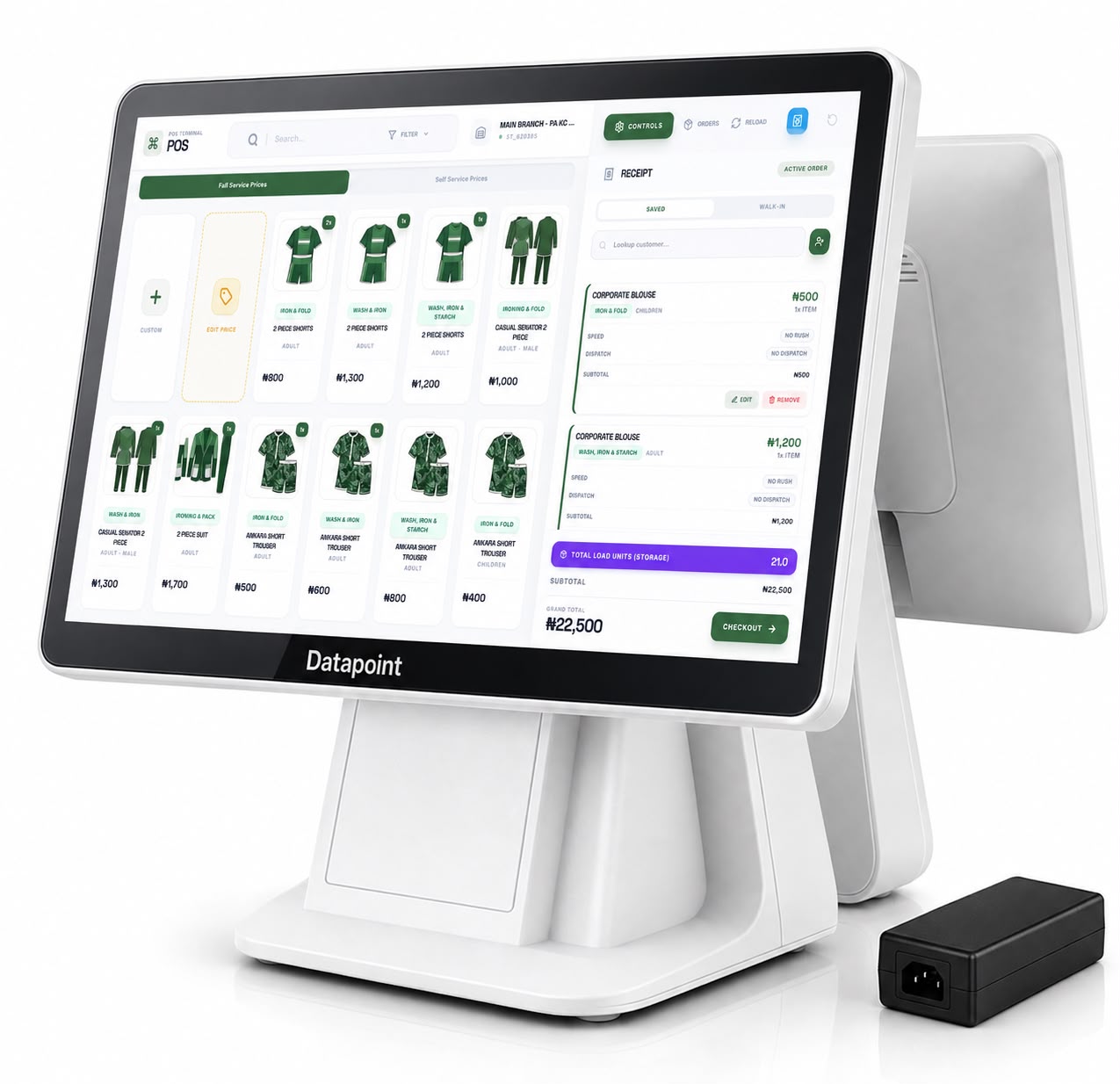
CloudLaundry is the best tool to manage a dry cleaning business in Nigeria because it offers the specific features needed for this premium service.
- Client History: Know which clients bring their expensive Senators or wedding gowns.
- Item-Specific Notes: Staff must log if an item has existing stains, buttons are loose, or if it requires "Hydrocarbon Only" cleaning.
- Automated WhatsApp Alerts: Professionalism is key. Clients paying premium prices expect premium notifications when their items are ready for pickup.
- Inventory Tracking: Manage your expensive dry cleaning solvents, detergents, and packaging nylons to prevent leakage.
CloudLaundry ensures that your digital infrastructure matches the premium physical service you are offering.
Conclusion
Starting a dry cleaning business in Nigeria is a lucrative opportunity for the professional entrepreneur. In 2026, the demand for high-quality garment care is higher than ever. By investing in the right hydrocarbon machinery, prioritizing safety, and using usecloudlaundry.com to automate your workflow, you can build a reputable brand that commands premium prices and captures the loyalty of Nigeria's growing middle class.
Ready to launch your premium dry cleaning empire? Visit usecloudlaundry.com and let's help you manage your sophisticated operation!