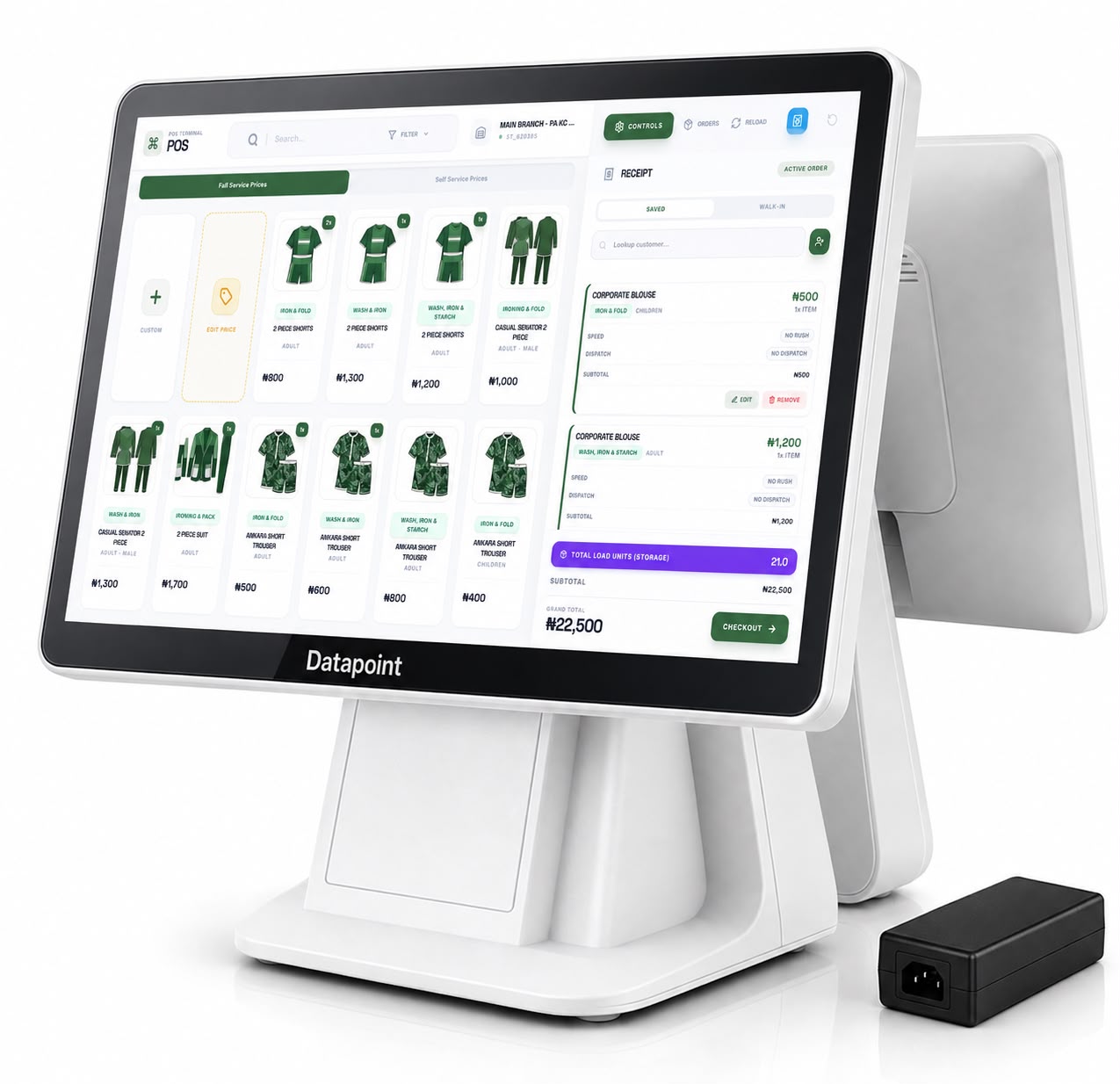
In the high-volume environment of a Nigerian laundry shop, the tag is the only thing that connects a piece of fabric to its owner once it leaves the front desk. Imagine 200 white shirts from 50 different customers all sitting in the same pressing area. Without a sophisticated laundry tagging system explained and implemented, your business is one mistake away from a reputational crisis.
In 2026, the "Old School" method of using a safety pin and a piece of paper is no longer acceptable. Customers are wearing more expensive fabrics, from delicate Italian silks to heavily embellished Nigerian lace, and they expect a level of professional handling that reflects the value of their wardrobe. A modern tagging system acts as the "DNA" of the garment carrying information about the owner, the specific treatment required, and the promised delivery time. To achieve this level of precision, you need the best tool to manage your laundry business, CloudLaundry.
The Evolution of Tagging: Why Old Methods Fail
To appreciate modern systems, we must look at why traditional Nigerian laundry tagging fails:
- The Paper Staple: Staples rust, damaging the fabric. Paper tears in the water, leaving you with an "unidentified" shirt and a very angry customer.
- The Marker Pen: Writing directly on the inside of a collar is unprofessional and permanent. It ruins the resale value of high-end garments and can bleed onto other clothes in the wash.
- The Safety Pin: Pins leave holes in delicate fabrics like chiffon or silk and can easily pop open, causing injury to staff or snagging other items in the machine.
Types of Modern Laundry Tagging Systems
In 2026, professional shops use one of three main technologies, all of which can be managed through CloudLaundry:
1. Thermal Paper Tags
These are the industry standard for most medium-to-large shops. They are made from a specialized synthetic material that is waterproof and heat-resistant.
How they work: A thermal printer generates a tag with the order number, customer name, and item count.
Pros: Professional look, very durable, and contains all necessary info.
2. Wet-Strength Tags
These are colored tags designed to survive the most rigorous washing and dry-cleaning chemicals.
How they work: They are usually pre-printed and used in a color-coding system (e.g., blue for Monday, red for Tuesday).
Pros: Excellent for quickly identifying "due dates" at a glance across the shop floor.
3. Permanent Heat-Seal Labels
For high-end boutique cleaners or uniform services, these labels are heat-pressed onto the garment.
How they work: A small barcode label is permanently fixed to an inconspicuous area.
Pros: Perfect for "Lifetime Tracking" of a customer's wardrobe.
The Anatomy of a Perfect Laundry Tag
A tag isn't just a piece of plastic; it is a data carrier. A professional tag generated by CloudLaundry should include the following:
- Unique Order ID: To link back to the digital record.
- Item Count: (e.g., "1 of 5") so you know if a piece of a set is missing.
- Treatment Codes: Symbols for "No Starch," "Hand Wash Only," or "Express."
- Customer Name: For a personal touch and easy sorting.
- QR or Barcode: For instant scanning at different production stages.
Implementing a "Stage-Scan" Workflow
A tagging system is only effective if it is integrated into your workflow.
- At Intake: The tag is printed via CloudLaundry and attached immediately.
- At the Wash Station: The staff member scans the tag to confirm the item is entering the machine. This updates the customer's status in real-time.
- At the Ironing Board: The presser scans the tag to see specific instructions (e.g., "Sharp Crease on Sleeves").
- At Packaging: The final scan confirms the order is complete and triggers the automated "Ready for Pickup" SMS.
Color Coding for High-Speed Sorting
In Nigeria, where "Express" services are a huge revenue driver, color-coded tagging is a lifesaver.
- The System: Use different colored tag rolls for different service levels.
- Yellow Tags: Same-Day Express.
- Green Tags: Standard 3-day service.
- Red Tags: VIP/High-Value delicate items.
- The Result: Your production staff can look at a mountain of clothes and instantly pull out the yellow tags to process them first. CloudLaundry helps you track these priorities digitally, but the physical color tag provides an instant visual cue on the shop floor.
Tagging for Sets and Multi-Piece Outfits
Nigerian traditional wear often comes in sets: Agbada, Buba, and Sokoto. If you tag them as one "item," you will lose pieces.
- The Sub-Tagging Rule: Every physical piece must have its own tag. If it's a 3-piece Agbada set, print three tags: "1/3", "2/3", and "3/3".
- The CloudLaundry Advantage: The system ensures that the order cannot be marked as "Ready" until all three pieces have been scanned at the final packaging station.
Preventing “Tag Detachment”: The Professional Way
The best tag is useless if it falls off.
- Fasteners: Use high-quality plastic "Swift Tachs" or specialized laundry pins that don't rust.
- Placement: Always attach tags to a seam or a care label to avoid piercing the main fabric. For button-down shirts, the tag should go through a buttonhole. For trousers, use a belt loop.
The Financial Impact of Proper Tagging
Bad tagging is a massive hidden cost.
- The Compensation Drain: If you lose a N100,000 kaftan because the tag fell off, that is your profit for the week gone.
- Labor Waste: If your staff spends 2 hours a day "matching" untagged clothes to owners, you are paying for wasted time.
- The Solution: A N50 thermal tag is the cheapest insurance policy you will ever buy. With CloudLaundry, the cost of the tag is automatically factored into your overhead, ensuring you stay profitable while staying organized.
Case Study: The "Lagos Island" Cleanup
A busy laundry on Lagos Island was handling 300 items a day using a manual notebook and paper stapled to collars. They were losing roughly 5 items a month and spending hours arguing with customers. They switched to CloudLaundry and implemented a thermal tagging system. Within 30 days:
Garment loss dropped to zero.
Turnaround time improved by 24 hours because staff didn't have to "guess" who owned what.
Customer reviews soared because the professional tags gave the impression of a high-tech, reliable business.
Why CloudLaundry is the Core of Your Tagging System
You can buy the best tags in the world, but without the software to manage the data, they are just plastic. CloudLaundry is the best tool to manage your laundry business because it creates a "Digital Twin" of every physical tag:
- Instant Printing: Works seamlessly with industry-standard thermal printers.
- Data Enrichment: The tag is linked to the customer's phone number, history, and preferences.
- Audit Trail: See exactly when a tag was printed and who attached it.
- Inventory Control: The system tracks your tag roll usage so you never run out of supplies.
Conclusion: Small Tags, Big Reputation
In the 2026 Nigerian economy, you cannot afford to be "just another dry cleaner." You must be a professional garment care service. The quality of your laundry tagging system is a direct reflection of how much you respect your customers' belongings.
Don't let a missing tag be the reason your business fails. Move away from manual risks and toward digital certainty. Visit usecloudlaundry.com today and see how our tagging and tracking tools can help you build a "Zero-Error" laundry empire.