If you are looking for a business that "doesn't fall" in Nigeria, the laundry industry is likely at the top of your list. Why? Because Nigerians love to look good, but nobody has the time to scrub jeans or starch an Agbada on a Saturday morning anymore. From the busy streets of Lagos to the growing estates in Port Harcourt, the demand for professional garment care is at an all-time high.
But is the laundry business actually profitable in 2026, or are owners just "busy" without making real money? In this article, we’ll dive into the raw numbers and show you how to turn dirty clothes into a clean, consistent profit.
The Market Reality in 2026
The laundry industry in Nigeria is no longer just for the "man under the tree." It has evolved into a structured service sector projected to reach a market value of billions of Naira.
The profitability of this business is driven by three main factors:
- Urbanization: More Nigerians are moving into apartments without space or time for traditional washing.
- Hygiene Awareness: Post-pandemic, people are more willing to pay for professional, hygienic cleaning.
- The "Look Good" Culture: In Nigeria, your dressing determines your "address." People will always pay to keep their clothes crisp.
Breaking Down the Profit Margins
On average, a well-managed laundry business in Nigeria can see profit margins between 30% to 50%.
Here is a quick look at the math for a single shirt:
- Customer Pays: ₦800 – ₦1,200
- Cost of Water/Soap/Starch: ₦150
- Cost of Fuel/Power: ₦200
- Labor/Packaging: ₦100
- Estimated Profit: ₦350 – ₦750 per shirt.
When you multiply this by 20 to 50 items a day, you can see why many entrepreneurs are smiling at the bank. Small to medium-sized laundries in 2026 are reporting monthly profits ranging from ₦150,000 to over ₦600,000, depending on their location and scale.
The "Silent Killers" of Profit
While the business is lucrative, many owners lose money through "leakages." If you aren't careful, these three things will eat your profit:
- Staff Theft: "Off-book" washes where staff take money from customers and don't record the order.
- Inventory Wastage: Using too much detergent or losing hangers because no one is tracking them.
- Missing Items: Compensating a customer for a lost shirt can wipe out your entire week's profit.
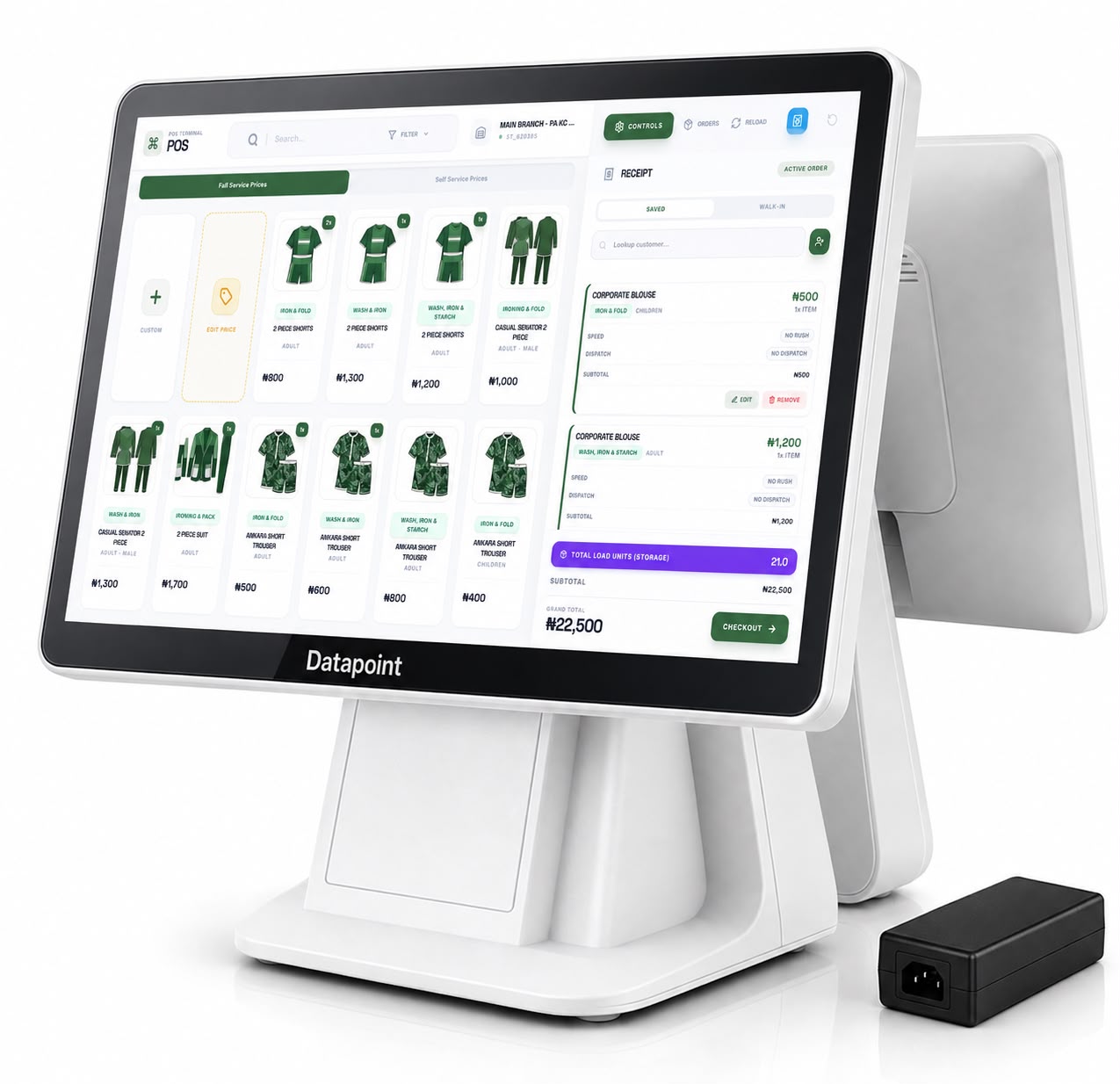
To stay profitable, you need to move away from notebooks and use a digital system like CloudLaundry to track every kobo and every piece of fabric.
Scale Matters (Startup Costs vs. Returns)
- Small Scale (₦100k - ₦500k): Often home-based or a small shop. High sweat equity, but very low overhead.
- Medium Scale (₦1M - ₦3M): Standard shop with industrial machines. This is the "sweet spot" for high ROI.
- Large Scale (₦5M+): Full dry-cleaning plant with delivery vans. High revenue, but requires serious management.
Practical Example (Success in Niger State)
Take the case of a new laundry startup in Niger State. By focusing on a residential area with many civil servants, they averaged 40 orders a week. Initially, they struggled with manual receipts and forgot to follow up with customers to pick up their clothes (which meant they weren't getting paid on time).
After switching to CloudLaundry, they automated their "Order Ready" notifications via WhatsApp. This simple move increased their cash flow by 40% because customers picked up (and paid for) their clothes much faster. It proved that in 2026, profitability = efficiency.
How CloudLaundry Guarantees Your Profit
You can’t manage what you don’t measure. CloudLaundry is the best tool to manage your laundry business in Nigeria because it treats your shop like a high-performance machine.
Instead of guessing your profit, you can see it in real-time on your phone. The system tracks your detergent usage so your staff doesn't waste it, and it ensures that every customer gets a professional receipt, making it impossible for "side deals" to happen. By reducing errors and increasing speed, CloudLaundry essentially pays for itself within the first month.
Conclusion
Is the laundry business profitable in Nigeria? Yes, absolutely. But the era of surviving with just a bucket and an iron is over. To make real money in 2026, you must treat your laundry like a tech-enabled business. Provide great service, keep your costs low, and use the right tools to stay organized.
Don't leave your profit to chance. Join hundreds of successful Nigerian laundry owners and start your journey with usecloudlaundry.com today!