In Nigeria today, convenience is no longer a luxury — it’s a necessity. With long working hours, traffic stress, and busy lifestyles, more people are outsourcing basic tasks like washing and ironing clothes.
That’s why the laundry business has become one of the most stable and profitable small businesses you can start.
However, many people jump into this business without proper planning and end up struggling or shutting down within a short time.
This guide is different.
You’ll learn exactly how to start, structure, and grow a laundry business in Nigeria, even if you’re starting with limited capital.
Step 1: Understand How the Laundry Business Works
Before spending a single naira, you need to understand how money flows in this business.
Laundry businesses make money through:
- Washing and ironing clothes
- Dry cleaning services
- Express (same-day) services
- Pickup and delivery services
For example:
- If you charge ₦500 per shirt and process 50 shirts daily
- That’s ₦25,000 daily
- Over a month, that can exceed ₦600,000
But here’s the reality:
Your profit depends on efficiency, pricing, and management, not just customer volume.
Step 2: Conduct Proper Market Research
One of the biggest mistakes people make is copying others without understanding the market.
Before starting:
- Visit at least 5 laundry shops in your area
- Observe their pricing
- Notice their customer flow
- Identify what they are doing wrong
Ask yourself:
- Are customers complaining about delays?
- Are clothes getting lost?
- Is customer service poor?
These problems are your business opportunities.
If you solve them better, customers will switch to you.
Step 3: Choose the Right Location
Your location determines how fast your business grows.
Ideal Locations:
- Densely populated areas
- Student environments
- Estates and residential areas
- Areas with working-class professionals
Avoid:
- Hidden streets with low visibility
- Areas with too many strong competitors
For example:
A small shop in a busy area in Lagos can outperform a big shop in a quiet village.
Visibility and accessibility matter more than shop size.
Step 4: Register Your Business
While you can start informally, registering with the Corporate Affairs Commission gives you an advantage.
It allows you to:
- Build credibility
- Open a business bank account
- Work with corporate clients
- Scale professionally
It also makes your business look more trustworthy to customers.
Step 5: Get the Right Equipment
Your equipment determines your efficiency and service quality.
Essential Equipment:
- Washing machine (semi or fully automatic)
- Industrial pressing iron
- Ironing table
- Drying racks or lines
- Generator (very important due to power issues)
- Water storage tanks
- Detergents and cleaning chemicals
Cost Breakdown (Realistic Estimate):
- Washing machine: ₦150,000 – ₦500,000
- Generator: ₦100,000 – ₦300,000
- Iron & table: ₦50,000 – ₦150,000
- Setup & rent: ₦200,000 – ₦800,000
Total startup cost:
- Small scale: ₦500,000 – ₦1.5M
- Medium scale: ₦1.5M – ₦3M
Start small and upgrade as your income grows.
Step 6: Set Up an Organized Workspace
Disorganization is one of the fastest ways to lose customers.
Your shop should have clear sections:
- Incoming (dirty clothes)
- Washing area
- Drying area
- Ironing section
- Ready-for-pickup section
Use tags or labels to identify each customer’s clothes.
If you mix up clothes even once, you risk losing that customer permanently.
Step 7: Hire and Train Staff
If you plan to hire staff, don’t just hire randomly.
Train them on:
- Fabric types and handling
- Stain removal techniques
- Customer interaction
- Careful ironing
A careless worker can damage clothes and cost you money.
Your staff represents your brand.
Step 8: Set Smart Pricing
Pricing can make or break your business.
Common pricing styles:
- Per item (₦300 – ₦1,000 depending on clothing)
- Per kilogram
Don’t make the mistake of being the cheapest.
Cheap pricing attracts difficult customers and reduces profit.
Instead:
- Offer fair pricing
- Focus on quality and reliability
Step 9: Promote Your Business
No matter how good your service is, people won’t come if they don’t know you exist.
Start with:
- Flyers in your area
- Word-of-mouth referrals
- WhatsApp marketing
- Instagram and Facebook pages
Offer incentives like:
- First-time discounts
- Referral bonuses
Your first 50 customers are the hardest — after that, growth becomes easier.
Step 10: Track Orders and Avoid Losses
This is where most laundry businesses fail badly.
Common problems include:
- Lost clothes
- Incorrect delivery
- Poor record keeping
- Customer disputes
Manual notebooks might work at the beginning, but they quickly become unreliable.
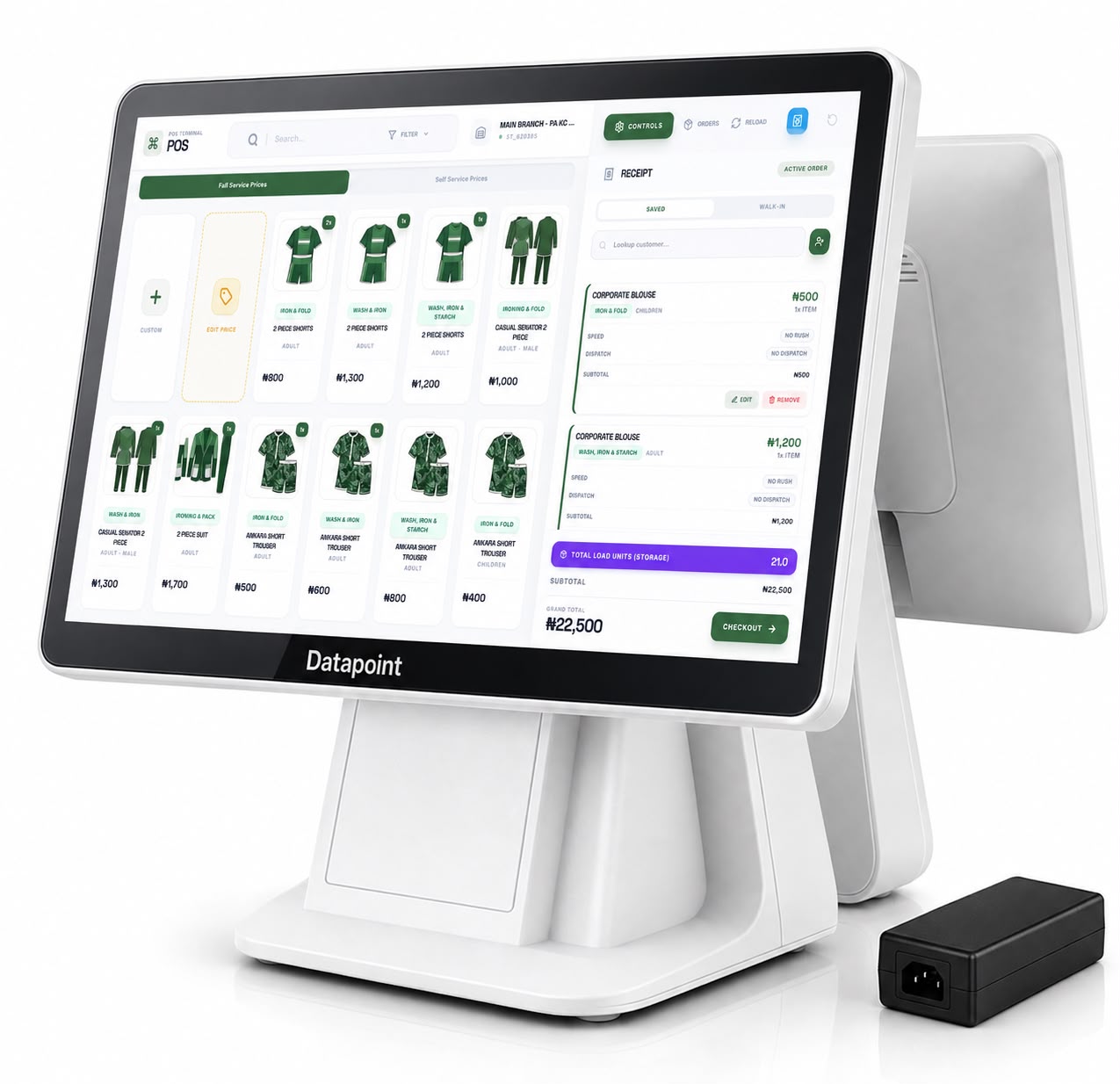
Using a system like CloudLaundry helps you:
- Record every order
- Track customer details
- Monitor payments
- Avoid costly mistakes
This is one of the biggest differences between small struggling businesses and organized profitable ones.
Step 11: Deliver Excellent Customer Service
Customers don’t just pay for clean clothes — they pay for peace of mind.
Always:
- Deliver on time
- Communicate clearly
- Handle complaints calmly
If a mistake happens:
Fix it quickly and professionally
A single happy customer can bring 5 more customers.
Step 12: Start Small and Scale Smart
Don’t rush to expand too early.
Focus first on:
- Consistency
- Customer satisfaction
- Efficient operations
Then scale by:
- Adding pickup and delivery
- Expanding your shop
- Opening new branches
Growth should be intentional, not rushed.
Common Mistakes to Avoid
Many laundry businesses fail because of avoidable errors:
- Choosing a bad location
- Poor customer service
- Lack of proper tracking system
- Underpricing services
- Ignoring marketing
Avoiding these mistakes alone puts you ahead of many competitors.
Conclusion
Starting a laundry business in Nigeria is a smart and practical business idea with strong demand and steady income potential.
But success is not just about starting — it’s about:
- Being organized
- Delivering quality service
- Managing your operations properly
If you follow the steps in this guide and stay consistent, you can build a business that generates steady income and grows over time.
Most laundry businesses don’t fail because the idea is bad — they fail because of poor structure and lack of systems. If you approach this business with the right mindset, tools, and discipline, you won’t just survive — you’ll stand out and dominate your area.