Running a laundry business in Nigeria in 2026 is a balancing act. With the recent fluctuations in energy tariffs and the rising cost of high-quality detergents, many business owners find that while they are "busy" with customers, their bank accounts aren't reflecting that hard work.
The problem isn't usually a lack of customers; it’s profit leakage. Small inefficiencies like a staff member using too much detergent, a generator running longer than necessary, or losing track of ironed clothes act like tiny holes in a bucket. If you don't plug them, you'll never stay afloat.
In this guide, we will explore 7 actionable strategies to slash your overhead and keep more of your hard-earned Naira.
Audit Your Utility Consumption
In Nigeria, electricity (whether from the grid or a "I pass my neighbor" generator) is your biggest expense. In 2026, relying on luck isn't a strategy.
- The Switch to LED: If you are still using old filament bulbs, you are burning money. Switch to energy-efficient LEDs to reduce lighting costs by up to 80%.
- Off-Peak Washing: If your area has "Band A" electricity billing, try to schedule your heavy washing cycles during off-peak hours when tariffs might be more favorable or the grid is more stable, reducing your reliance on expensive diesel.
Master the Art of Detergent & Chemical Control
It’s a common sight in many shops: a staff member pouring detergent "by eye." This is a recipe for waste.
- Standardized Measuring: Use scoops. Every load size should have a specific measurement. Over-sudsing doesn't just waste soap; it forces your machines to run extra rinse cycles, wasting water and electricity.
- Bulk Buying vs. Retail: Never buy detergent in small sachets. Partner with wholesalers in markets like Balogun or Onitsha to buy in 25kg tubs. The cost-per-wash drops significantly when you buy in bulk.
Preventative Maintenance vs. Emergency Repairs
Waiting for a dryer to stop spinning before you call a technician is the most expensive way to run a business.
- The "Clean-Out" Rule: Lint buildup in dryers makes them run longer and hotter, increasing fire risks and electricity bills. A simple daily lint-trap cleaning can save you thousands in energy costs annually.
- Scheduled Checks: Monthly oiling and belt checks on industrial washers prevent "catastrophic failure." An N10,000 service fee today saves you an N200,000 motor replacement tomorrow.
Optimizing Staff Productivity
Labor is often your second-highest cost. If your staff is idle because they are waiting for instructions or manually writing out tags, you are losing money.
Workflow Design: Organize your shop so that clothes move in a “U-shape” from Sorting → Washing → Drying → Ironing → Packaging. This reduces the time staff spend walking around, allowing them to process more garments in less time.
Stop the "Manual Error" Drain
How many times have you given a discount because a customer’s shirt was misplaced or an order was delayed?
Digital Tagging: Manual paper tags get lost or become unreadable. Using a digital system ensures every item is tracked from the moment it enters your shop until the customer picks it up. This eliminates the "compensation costs" that eat into your monthly profit.
Practical Example: The Tale of Two Laundries
Consider "Laundry A" in Ikeja. They use paper notebooks, manual soap pouring, and only fix machines when they break. Last month, they spent N150,000 on fuel and lost 3 shirts. Now look at "Laundry B" in the same street. They use measured scoops, follow a weekly maintenance checklist, and use CloudLaundry to track every order. By eliminating lost items and reducing detergent waste by 20%, "Laundry B" saved N45,000 in a single month, money that went straight into the owner's pocket.
The CloudLaundry Advantage
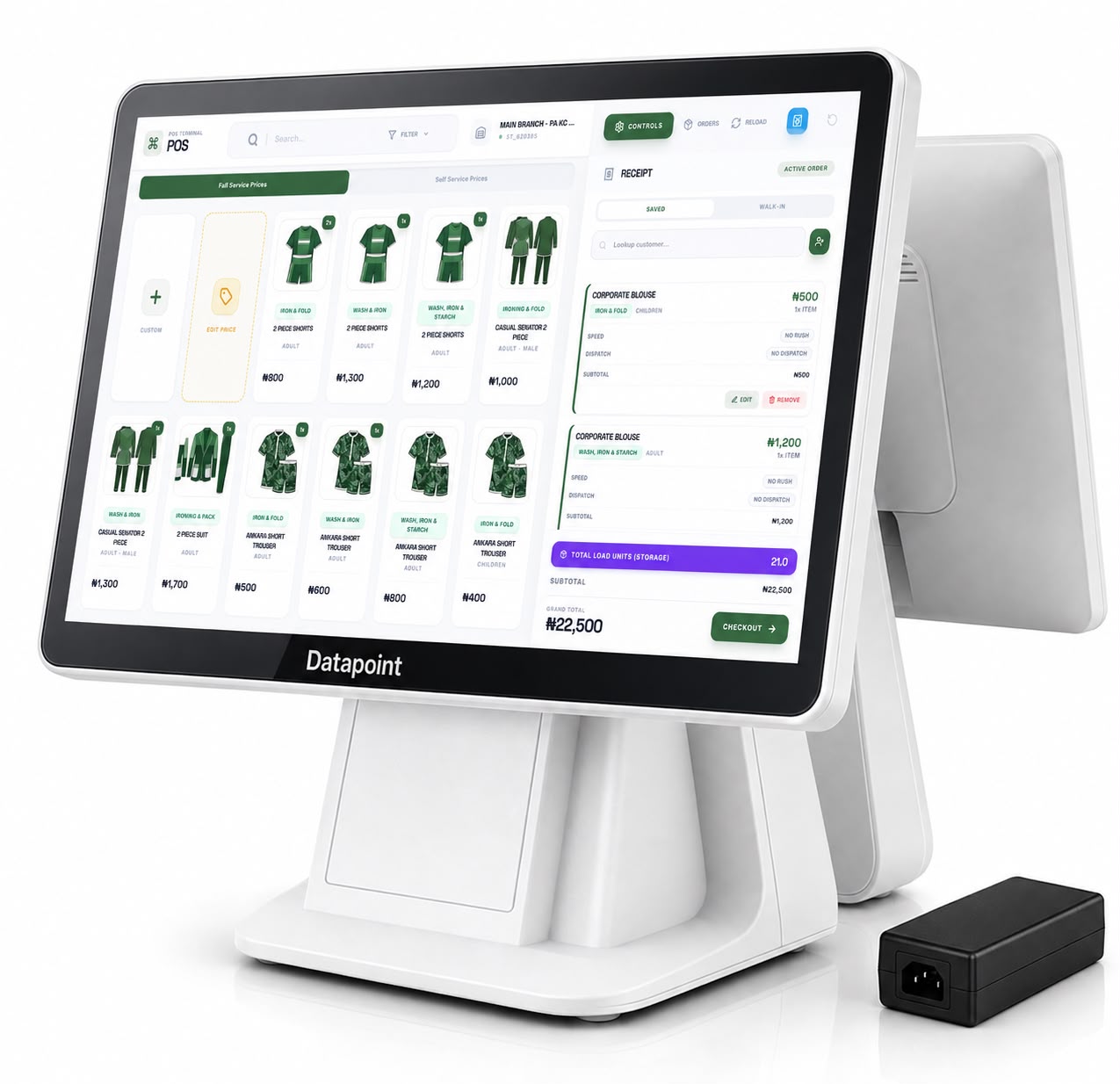
The most effective way to reduce expenses is to gain total visibility over your business. This is where CloudLaundry comes in as the best tool to manage your laundry business. By switching from paper to our digital POS and management system, you can:
- Track Inventory: Know exactly how much detergent is being used.
- Reduce Staff Errors: Automated SMS alerts and garment tracking mean fewer lost items and no more expensive "apology" refunds.
- Monitor Remotely: You don't need to be at the shop to ensure your staff isn't wasting resources. You can see real-time reports from your phone.
Conclusion
Reducing expenses isn't about cutting corners; it's about sharpening your operations. By controlling your utilities, standardizing your supplies, and embracing digital tools, you can transform your laundry business from a struggling shop into a high-profit enterprise. Start small, change your bulbs today, and then get the digital oversight you need to scale.