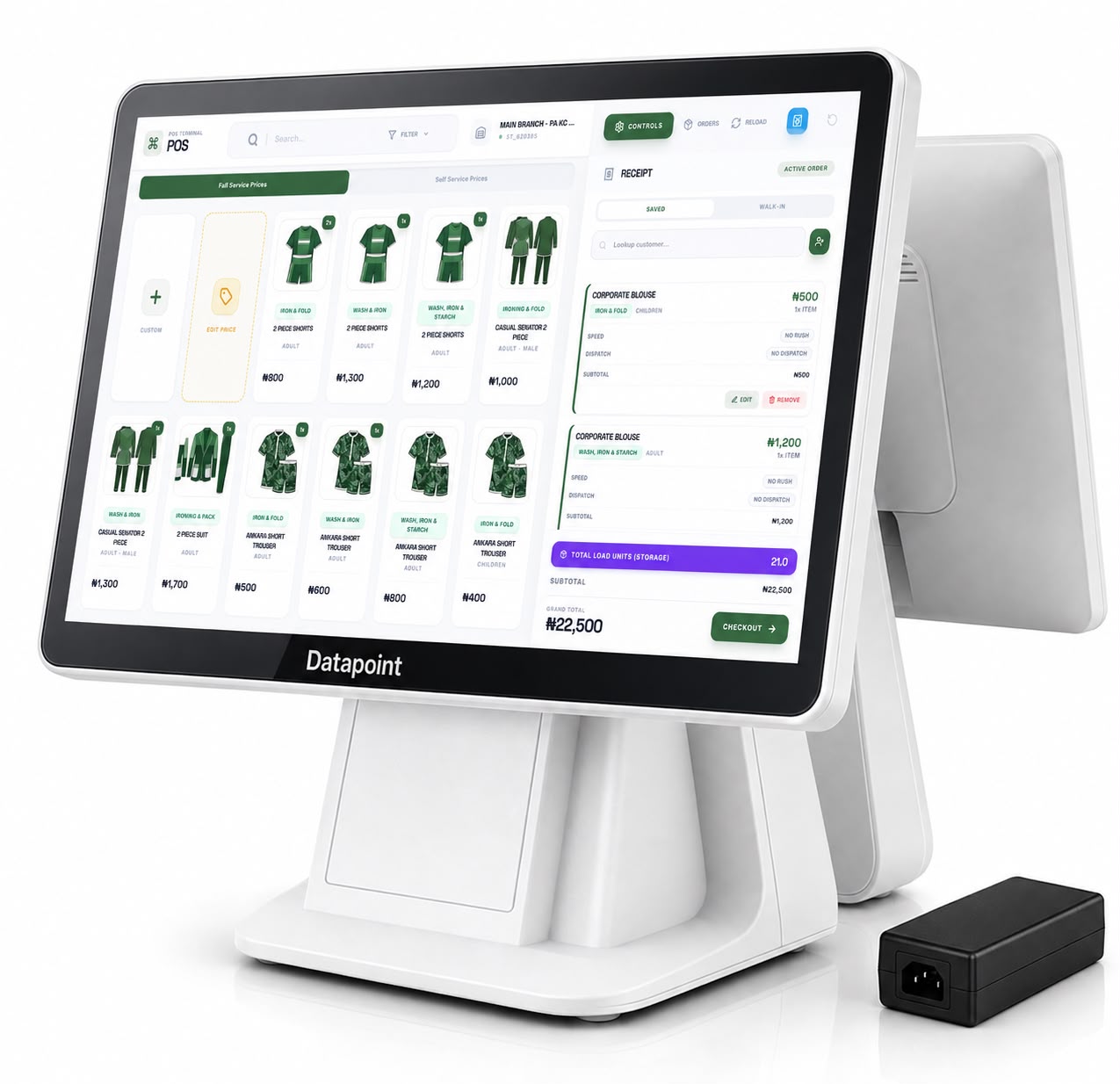
In the competitive Nigerian professional landscape of 2026, the sharp crease of a trouser or the crisp collar of a white shirt is a non-verbal cue of competence and discipline. For a laundry business, the ironing station is your "Quality Gate." It is the last touch before the customer sees the garment. If the ironing is mediocre, the entire washing process no matter how scientifically advanced is perceived as a failure.
Mastering how to iron clothes professionally requires moving away from the "hot plate" mindset toward "fiber relaxation." Professional pressing isn't about crushing the fabric; it's about using heat and moisture to rearrange the molecular bonds of the fibers into a smooth, flat state. By utilizing the best tool to manage your laundry business, CloudLaundry, you can ensure that your finishing team follows standardized pressing protocols for every fabric type, reducing the risk of scorch marks and ensuring a signature "crispness" that keeps customers coming back.
The Professional Setup: Beyond the Ironing Board
A professional setup in 2026 involves more than just a flat board and a consumer iron.
- The Vacuum Table: Professional ironing tables use suction to pull steam through the fabric and into the board. This instantly cools and "sets" the fibers, preventing the garment from wrinkling again the moment you move it.
- Steam Generator Irons: Unlike household irons, industrial systems produce "dry steam" at high pressure. This penetrates thick fabrics (like denim or heavy cotton) without making them damp.
- The Iron Shoe (Teflon Cover): A professional secret is the Teflon shoe. It prevents direct contact between the metal plate and the fabric, eliminating the "shiny" marks often seen on dark trousers and delicate synthetics.
Temperature Mastery: The "Soleplate" Logic
Ironing is a thermal process, and different fibers have different "melting points."
- Linen & Cotton: These require high heat and heavy steam. The fibers are stubborn and need significant energy to relax.
- Wool & Silk: These are protein fibers. High heat will "cook" them, leading to yellowing or brittleness. They require medium heat and a press cloth.
- Synthetics (Polyester/Nylon): These are essentially plastic. If the iron is too hot, the fibers will literally melt, creating a permanent hole or a "glaze."
- CloudLaundry Dosing: Use [CloudLaundry] to display "Temperature Alerts" on the finishing station tablet. When a technician scans a polyester garment, the app should flash: “Set Iron to Level 1 – Low Heat.”
The "Structural" Ironing Order
Professional ironing follows a specific sequence to prevent re-wrinkling parts you’ve already finished. For a standard shirt, the order is:
- Collar: Always iron from the points toward the center to prevent "bubbling" at the tips.
- Cuffs: Iron the inside first, then the outside.
- Sleeves: Lay the sleeve flat, using the seam as a guide. Professional laundries avoid the "edge crease" unless specifically requested by the customer.
- Back: Use the large end of the ironing board to handle the wide surface area of the back.
- Front Panels: Iron the button side last, pressing around the buttons, never over them (which can crack the button or melt the thread).
Dealing with Stubborn Wrinkles – The "Pre-Damp" Trick
Some linens and heavy cottons refuse to go flat even with high-pressure steam.
- The Moisture Lock: Lightly mist the garment with distilled water and place it in a plastic bag for 10 minutes. This allows the moisture to move into the "core" of the fiber.
- The Result: When the heat hits the pre-dampened fiber, it creates an internal steam effect that flattens wrinkles instantly with minimal effort.
The "Inside-Out" Rule for Darks
One of the most common damage claims in Nigerian laundries involves "shiny" marks on black or navy blue trousers.
- The Cause: High heat flattens the microscopic "fuzz" on the fabric surface, making it reflect light like a mirror.
- The Professional Solution: Always iron dark garments inside out. If you must iron the outside (for creases), use a damp press cloth as a barrier.
- CloudLaundry Quality Check: In the CloudLaundry app, add a mandatory check for the finishing team: “Inside-out rule applied for dark fabric? [Yes/No]”
Removing the "Shine" and Scorch Marks
Mistakes happen, but in 2026, we have technical fixes for minor errors.
- Steam Lifting: For a "shiny" spot, hold a high-pressure steam iron 2 inches above the fabric and blast it. This can often "lift" the flattened fibers back up.
- Hydrogen Peroxide Trick: For a very light scorch mark on white cotton, a tiny amount of hydrogen peroxide on a white cloth can sometimes bleach out the yellowing. However, this is a "last resort" technique.
Ironing Traditional Nigerian Attire
Agbadas, Kaftans, and heavily starched Senator wears require a different touch.
- Starch Application: Professional starching should be done before ironing. The iron then "bakes" the starch into the fabric for that signature Nigerian "stand-up" finish.
- Embroidery Protection: Never iron directly over heavy embroidery or "stonework." Use a thick, soft towel underneath the garment (face down) and iron the back. The towel allows the stones to sink in rather than being crushed by the iron.
The "Cool-Down" Phase
If you fold a hot garment immediately after ironing, you will create "set-in" fold lines.
- The Hanging Rule: Professional laundries hang garments on a cooling rack for at least 5 minutes before final bagging.
- Vacuum Power: This is where the vacuum table shines it sucks the heat out in seconds, allowing for faster packaging without the risk of re-wrinkling.
Case Study: The "Investor Meeting" Save
A boutique laundry in Lekki Phase 1 had a client who brought in five expensive Italian suits for an investor meeting the next morning. The suits had been packed in a suitcase and were severely crushed. The laundry team used a combination of vertical steaming (to relax the overall structure) followed by precision vacuum-table pressing for the lapels and sleeves. By using CloudLaundry to track the "VIP Rush" status, the manager ensured the best presser was assigned to the task. The client was so impressed by the "factory-fresh" finish that he moved his entire corporate account to that laundry.
How CloudLaundry Ensures a Perfect Finish Every Time
CloudLaundry is the best tool to manage your laundry business because it controls the final output quality:
- Finishing SOPs: Display step-by-step videos for junior staff on how to iron complex items like pleated skirts or Aso-Ebi.
- Quality Assurance (QA) Logs: The person packing the garment must "sign off" in the app that the ironing is crisp and free of marks.
- Customer Preferences: If a customer hates creased sleeves, [CloudLaundry] will show a "No Sleeve Crease" icon the moment the tag is scanned at the ironing station.
- Efficiency Analytics: See how many shirts each staff member irons per hour. This helps you identify your "Master Pressers" and provides a basis for performance-based bonuses.
Conclusion: Excellence in Every Crease
How to iron clothes professionally is an art form backed by science. It is the difference between a garment that looks "washed" and a garment that looks "new." In 2026, as fabric technology becomes more complex, your ability to provide a perfect finish is your greatest competitive advantage.
By pairing industrial ironing techniques with the data-driven precision of CloudLaundry, you ensure that your business delivers nothing less than perfection. You protect the customer's investment in their wardrobe, and in return, they invest in your business growth. Visit usecloudlaundry.com today and discover how our platform can help you master the finishing touches that define a 5-star laundry.