In the high-stakes world of professional laundry, color bleeding is often the most expensive mistake a business can make. It isn't just about the ruined garment that bled; it is about the "collateral damage" to every other item in the wash. In the Nigerian market of 2026, where Ankara, Aso-Ebi, and vibrant designer wear are staples, the risk of a "fugitive dye" incident is constant.
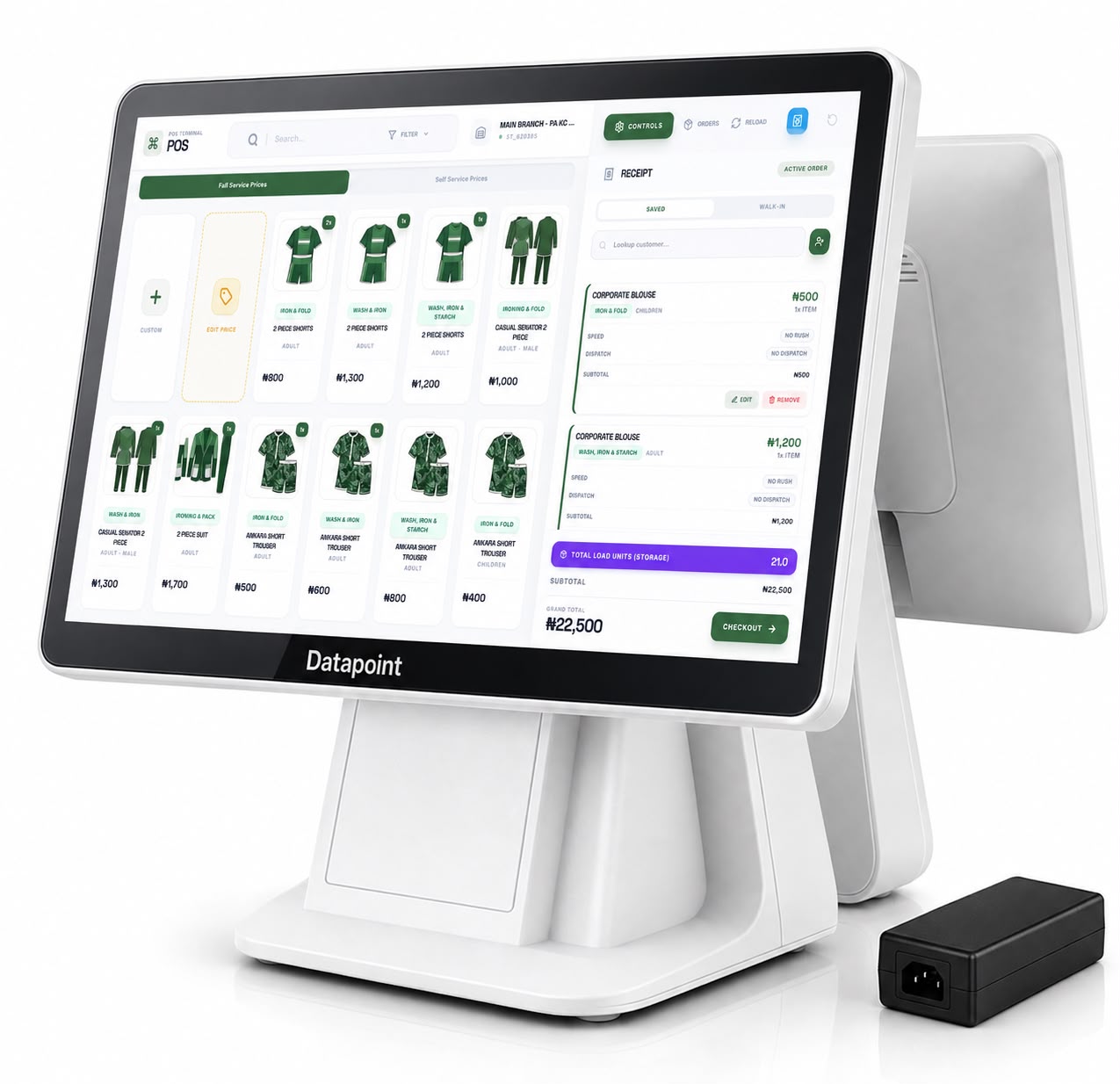
Learning how to avoid color bleeding is a fundamental technical skill that separates the amateur from the master. It requires moving from a "hope for the best" approach to a rigorous, scientific protocol of testing and prevention. By utilizing the best tool to manage your laundry business, CloudLaundry, you can build a safety net into your workflow. Our platform allows you to create mandatory "Stability Check" steps for specific fabric categories, ensuring that no high-risk item ever hits the water without being vetted by an expert technician.
The Molecular Cause of Color Bleeding
To prevent the problem, you must understand why it happens. Color bleeding occurs when the bond between the dye molecule and the fabric fiber is broken.
- Poor Fixation: In many lower-quality or hand-dyed fabrics, the dye was never properly "fixed" with heat or chemicals during manufacturing.
- Thermal Agitation: High water temperatures cause the fibers to swell and open up, allowing dye molecules to escape into the wash water.
- Chemical pH: Highly alkaline detergents can act as "strippers," pulling dyes out of natural fibers like cotton and silk.
- Fiber Type: Synthetic fibers (like polyester) are generally "solution-dyed" and very stable, whereas natural fibers (like cotton and linen) are more prone to bleeding.
The "Q-Tip" Stability Test (The Professional Standard)
Never trust a "New" label. Professional laundries in 2026 perform a 30-second audit on every high-risk garment.
- The Method: Dampen a white Q-tip or cotton swab with the water and detergent you plan to use. Rub it gently on an inconspicuous internal seam.
- The Result: If any pigment transfers to the Q-tip, the garment is a "Bleeder."
- The CloudLaundry Protocol: When a technician performs this test, they can log the result in [CloudLaundry]. If the test fails, the app automatically changes the washing instructions from "Machine Wash" to "Solo Hand Wash" or "Dry Clean Only."
Sorting Beyond "Lights and Darks"
In 2026, professional sorting is a multi-layered process.
- The "Red/Navy" Tier: These colors are the most notorious bleeders. They should always be washed in a dedicated "high-risk" load or separately.
- Multi-Colored Garments: A white shirt with black stripes is a high-risk item. If washed at the wrong temperature, the black will "migrate" into the white.
- New vs. Old: New garments contain "excess dye" that hasn't been washed away. These should never be mixed with established wardrobes for at least the first three washes.
The Power of Temperature Control
Temperature is the primary catalyst for dye migration.
- The 30°C Rule: For any garment with multiple colors or deep pigments, 30°C (Cold) is the maximum safe temperature. Cold water keeps the fibers "tight," locking the dye in place.
- Thermal Shock Prevention: Just as with shrinkage, moving a garment from a warm wash to a freezing rinse can cause "pigment dump." Professional 2026 machines use tempered water to gradually cool the load.
Chemical Defense: Color Catchers and Dye Fixatives
Modern technology has given us tools to stop bleeding in its tracks.
- Color Catcher Sheets: These are positively charged sheets that act like a magnet for negatively charged loose dye in the water. In a professional setting, using two or three sheets in a mixed load is a cheap insurance policy.
- Dye Fixatives (Retayne): For fabrics that fail the Q-tip test, a professional pre-treatment with a cationic fixative can permanently lock the dye into the fiber before the main wash.
- Salt and Vinegar Myths: While old-school guides suggest salt or vinegar to "set" dye, in 2026, these are considered unreliable compared to modern commercial fixatives.
Handling "Bleeders": The Solo Wash Strategy
If a garment is identified as unstable, it must be quarantined.
- The "Solo" Cycle: Use a small-capacity machine or a dedicated hand-wash station.
- Rapid Drying: Dye migration often happens after the wash while the garment is sitting wet. For high-risk items, move them immediately to a high-speed extractor and then to a dryer or fan-dry station. Never leave a multi-colored wet garment in a heap.
- CloudLaundry Tracking: Track the "Solo Wash" surcharge in [CloudLaundry]. This ensures you are compensated for the extra time and machine utilization required to protect the client's clothes.
The "Inside-Out" Technique
Friction is a physical cause of color loss (fading).
- Surface Abrasion: When clothes rub against each other, the "outer" layer of dyed fibers is worn away.
- The Solution: Washing clothes inside out protects the "show" side of the fabric from mechanical agitation, keeping colors looking "new" for longer.
Rescuing a "Bled-On" Garment
If the worst happens and a white shirt comes out pink, you have a 30-minute window to fix it.
- Do Not Dry: Once the garment is dried in a dryer, the bled dye is "set" permanently.
- The Immediate Re-wash: While still wet, re-wash the stained item with a "color-run remover" or an oxygen-based bleach (for whites).
- The Vacuum Extraction: Use a spotting board to pull the fugitive dye out of the affected areas.
Case Study: The Aso-Ebi Disaster Averted
A laundry in Surulere received 50 sets of custom-dyed traditional outfits for a wedding. The fabric was a deep burgundy lace. The head washer used CloudLaundry to check the "Fabric Risk Database" and saw a warning for that specific dye type. They performed a Q-tip test on one piece, and it bled instantly. Instead of a mass wash, they pivoted to a cold-water "Solo-Prep" with a commercial dye fixative. They saved the client’s entire wedding party from a wardrobe disaster. Because they used CloudLaundry to document the test and the extra steps taken, they were able to charge a premium "Specialty Care" fee which the client happily paid for the peace of mind.
How CloudLaundry Mitigates Color Risk
CloudLaundry is the best tool to manage your laundry business because it creates a digital "Memory" of fabric behavior:
- Garment History: If a shirt bled once, [CloudLaundry] will remember it. The next time that same shirt is checked in (via its unique tag), the system will flash a red alert: "KNOWN BLEEDER: Wash Solo."
- Intake Warnings: Ensure staff ask the customer: "Is this the first time this is being washed?" This response is recorded in the app.
- Standardized Testing SOPs: Junior staff can follow a step-by-step video in the app on how to perform a proper stability test.
- Automated Surcharges: Automatically apply a "Color Protector" fee for high-risk items to cover the cost of color catcher sheets and fixatives.
Conclusion: Vibrant Accuracy
How to avoid color bleeding is a testament to a laundry's attention to detail. In 2026, customers value "color integrity" as much as cleanliness. They want their clothes to return not just clean but with the same "pop" and vibrancy as the day they were bought.
By combining rigorous testing with the risk-management features of CloudLaundry, you eliminate the anxiety of "wash-day surprises. "You build a reputation as a technically superior business that can be trusted with the most complex and colorful wardrobes. Visit usecloudlaundry.com today and discover how our platform can help you master color management with 2026 precision.