For years, the laundry industry was synonymous with heavy water consumption, harsh chemical runoff, and high carbon emissions. However, the Nigerian market of 2026 has reached a tipping point. With the increasing cost of municipal water, the volatility of energy prices, and a growing middle class that prioritizes "Ethical Consumption," traditional laundry methods are becoming a financial and reputational liability.
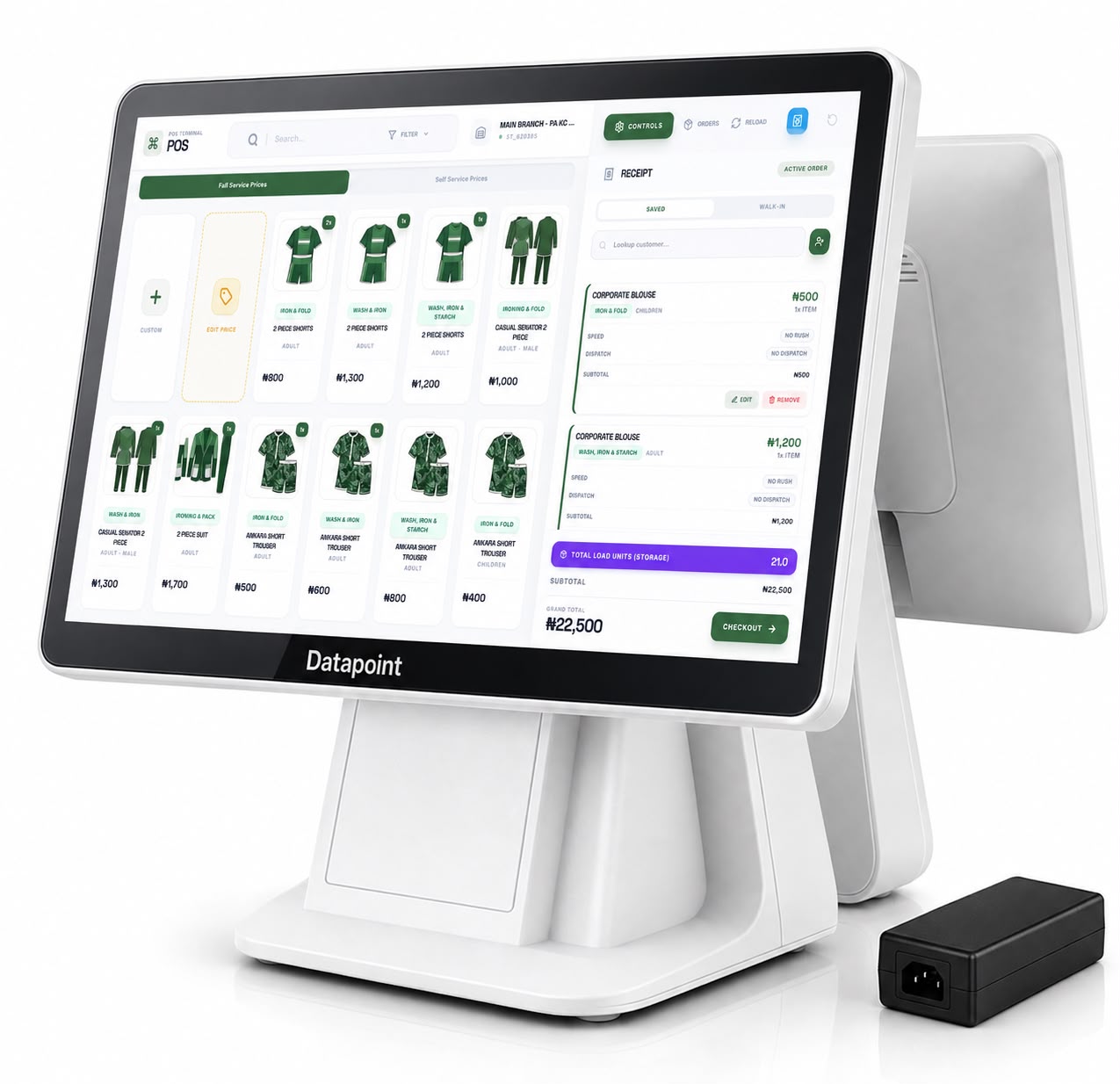
Adopting eco-friendly laundry practices is no longer just about "doing the right thing"; it is about building a lean, resilient, and future-proof business. It involves a shift in perspective, viewing every liter of water and every kilowatt of power as a precious resource to be optimized. By utilizing the best tool to manage your laundry business, CloudLaundry, you can quantify your environmental impact. Our platform provides the data infrastructure to track your utility consumption in real-time, allowing you to prove your sustainability claims to your customers with hard data rather than vague promises.
The "Cold Water" Chemistry Revolution
The most significant carbon footprint of a laundry comes from heating water. In 2026, professional "Green" laundries have shifted 90% of their volume to cold-water cycles.
- The Enzyme Factor: Modern eco-friendly detergents are bio-engineered to be active at 20°C. These enzymes "eat" stains without requiring the thermal energy that was mandatory a decade ago.
- The Energy ROI: By eliminating the water heater from the standard wash cycle, a laundry SME can reduce its electricity consumption by up to 40%.
- Fabric Longevity: Cold water is gentler on fibers, meaning clothes last longer—a key pillar of the "Slow Fashion" movement.
Water Conservation and Recycling Systems
In many Nigerian cities, water is a scarce and expensive commodity. Eco-friendly laundries treat water as a "circular" asset.
- Load Optimization: Running a machine at 50% capacity is an environmental crime. [CloudLaundry] helps managers ensure that machines only run when they are at the "Eco-Optimal" weight.
- Ozone Technology: Injecting ozone ($O_3$) into the wash water allows for superior sanitization in cold water and reduces the number of rinse cycles needed, saving up to 30% of total water usage.
- Gray-Water Recovery: Intermediate-level systems can capture the "Final Rinse" water from one load and use it as the "Pre-Wash" water for the next, significantly cutting the demand on municipal supplies.
The Transition to Biodegradable Surfactants
Traditional detergents often contain phosphates and non-biodegradable surfactants that wreak havoc on local water tables and aquatic life.
- Plant-Based Solvents: In 2026, professional cleaners are moving toward solvents derived from citrus, soy, and corn. These are safer for the staff to breathe and break down completely in the environment.
- Refillable Bulk Systems: To reduce plastic waste, eco-friendly laundries use automated dosing systems connected to 200-liter drums, eliminating thousands of small plastic detergent bottles over a business’s lifespan.
- CloudLaundry Inventory: Track your "Green Chemical" usage in [CloudLaundry]. The app can alert you if a technician is using too much detergent, which leads to "Chemical Carryover" and unnecessary extra rinsing.
Fighting the Microplastic Menace
Synthetic fabrics (polyester, nylon, acrylic) shed millions of microscopic plastic fibers during every wash, which eventually enter the food chain.
- Micro-Filtration: High-end 2026 facilities install specialized 100-micron filters on their machine drain lines to catch these fibers before they reach the sewer.
- The "Guppy" Method: For smaller operations, using specialized laundry bags designed to trap microfibers during the wash is a cost-effective way to maintain "Green" standards.
🔹 Section 5: Energy Efficiency in the Drying Room
Drying is the most energy-intensive phase of laundry. Sustainable practices focus on "Natural and Assisted" drying.
- Solar-Thermal Assistance: Many Nigerian SMEs are installing solar water heaters to pre-heat their "Hot" loads or using solar-powered fans in dedicated "Air-Drying Rooms."
- Moisture-Sensor Technology: Instead of timed drying, which often "over-dries" and wastes energy, modern dryers use moisture sensors to stop the moment the fabric reaches the safe 5% residual moisture level.
- CloudLaundry Efficiency Reports: Use [CloudLaundry] to compare the energy consumption of different dryers. If Machine B uses 20% more gas than Machine A for the same load, it’s time for a maintenance check.
Zero-Waste Packaging and Logistics
Eco-friendly laundry ends with the delivery.
- Biodegradable Garment Bags: Replace standard plastic with compostable bags made from cornstarch or recycled paper wraps.
- Reusable "Laundry Bins": Instead of single-use bags, provide regular clients with branded, reusable canvas bags or collapsible crates that are swapped out at every delivery.
- The "Green Route" Optimization: Use CloudLaundry to optimize your delivery van routes. Reducing the "miles-per-load" directly lowers your carbon emissions and fuel costs.
Solar Power and the Hybrid Laundry
In Nigeria, "Going Green" is often a strategy for "Energy Sovereignty."
- The Solar Shift: In 2026, the roof of a laundry facility is a power plant. Solar panels can run the lights, the [CloudLaundry] servers, and the low-voltage electronics of the machines, leaving the heavy motor work for the grid or gas generators.
- Peak-Shaving: Use your management data to run heavy loads during the peak of the sun’s power, reducing reliance on expensive diesel generators.
Marketing the "Eco-Professional" Brand
Sustainability is a powerful marketing tool in 2026.
- The "Green" Receipt: Use [CloudLaundry] to include a "Sustainability Impact" note on every customer's digital receipt. For example: "By washing with us today, you saved 15 liters of water and prevented 200g of $CO_2$ emissions."
- Transparency is Key: Document your green processes. Post photos of your water filtration system or your biodegradable soaps. Customers trust what they can see.
Case Study: The "Eco-Laundry" of Lekki
A new laundry startup in Lekki, Lagos, launched with a "100% Sustainable" mission. They used CloudLaundry to monitor every aspect of their resource consumption.
By utilizing cold-water ozone technology and solar-powered fans for drying, their utility bills were 50% lower than the industry average. They used CloudLaundry's loyalty module to reward customers who returned their reusable garment bags with "Green Points." Within 12 months, they were the highest-rated laundry in the area, specifically cited by young professionals for their "environmental integrity." Their profitability was significantly higher than competitors due to the massive reduction in overhead costs.
How CloudLaundry Powers the Green Transition
CloudLaundry is the best tool to manage your laundry business because it provides the "Big Data" needed for sustainability:
- Resource Monitoring: Log your water and electricity meters daily. CloudLaundry will generate graphs showing your "Resource-per-Kilogram" efficiency.
- Staff Accountability: Ensure staff are following "Eco-SOPs"—such as only running full loads and using the correct eco-setting—by requiring photo-verification in the app.
- Vendor Management: Track which suppliers provide the most effective eco-friendly chemicals and compare their performance and cost-benefit ratios.
- Impact Reporting: Generate monthly sustainability reports to share on your social media or with corporate clients who have "Green" procurement requirements.
Conclusion: Profit with a Purpose
Eco-friendly laundry practices are the future of the industry. In 2026, the most successful businesses are those that realize that efficiency and sustainability are the same thing. By reducing waste, you increase your margin. By protecting the environment, you protect your brand.
By integrating "Green" technical standards with the digital tracking power of CloudLaundry, you position your business as a leader in the new Nigerian economy. You aren't just cleaning clothes; you are helping to preserve the world that wears them. Visit usecloudlaundry.com today to see how our platform can help you lead the green revolution with 2026 precision.