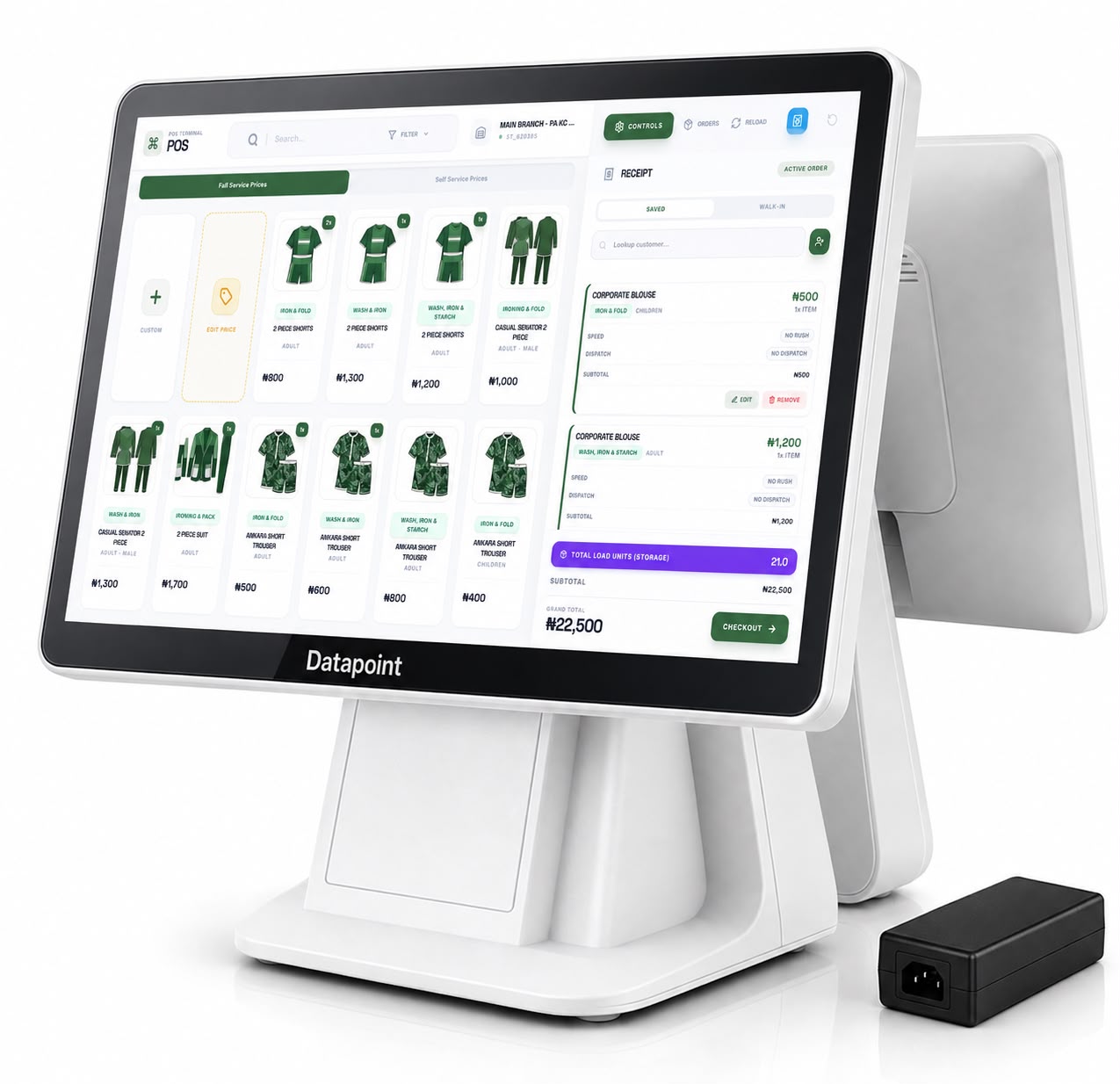
Every business has its "ugly side," and the laundry industry in Nigeria is no exception. While the profit potential in 2026 is massive, the road to a successful empire is paved with obstacles that can drain your bank account and your energy if you aren't prepared.
Many entrepreneurs see the "shining machines" but fail to see the "hidden hurdles." Understanding the common challenges in starting a laundry business is the difference between an owner who quits in six months and one who scales to multiple branches. In this guide, we dive into the five biggest pain points in the Nigerian laundry market and provide the practical, tech-enabled solutions you need to overcome them.
The "Power" Paradox (The NEPA Factor)
Electricity is the lifeblood of a laundry, yet it is Nigeria’s most unpredictable resource.
The Challenge: High electricity tariffs and frequent outages mean you are often forced to run on diesel or petrol generators. This can eat up to 40% of your profit margin.
The Solution:
1. Hybrid Power: Invest in a solar inverter system specifically for your lights, fans, and CloudLaundry POS terminal.
2. Gas Equipment: As mentioned in earlier topics, gas dryers are far more cost-effective than electric ones in the Nigerian context.
3. Strategic Scheduling: Use "NEPA" hours for heavy washing and generator hours for finishing/ironing to balance costs.
Staffing and "Sharp Practices"
Your staff can be your greatest asset or your biggest liability.
The Challenge: Finding skilled ironers who are also honest is difficult. “Sharp practices” where staff wash clothes for their own customers "off-books" and pocket the cash is the #1 reason laundry businesses fail in Nigeria.
The Solution:
1. Digital Accountability: Use CloudLaundry. Since every item must be logged to generate a tag, staff cannot easily hide orders.
2. Incentive Structures: Pay a base salary plus a commission per item processed. When staff make more money by being honest and productive, "side-hustling" becomes less attractive.
Water Quality and Logistics
In many parts of Lagos, Port Harcourt, and Abuja, "clean" water is a luxury.
The Challenge: Iron-heavy borehole water can turn white shirts yellow (the "rust" effect). Additionally, if your water pump fails or your tanker is late, your production stops entirely.
The Solution:
1. Advanced Filtration: Don't just settle for a sand filter. Use an iron-removal plant if your water source is compromised.
2. Redundancy: Always have 48 hours' worth of water stored in backup tanks.
Customer Trust and Garment Safety
Losing or damaging a customer’s expensive Agbada or suit is a PR nightmare.
The Challenge: In a manual system, clothes get mixed up. Tags fall off. Stains are missed during intake, leading to disputes later.
The Solution:
1. Pre-Wash Inspection: Train staff to take photos of existing damages (burns, tears, missing buttons) during intake.
2. Digital Shelf Management: With CloudLaundry, every garment is assigned to a specific shelf number. "Where is my shirt?" becomes a 5-second search instead of a 20-minute panic.
The "Rainy Season" Logjam
In Nigeria, the rainy season (June–September) can be a business killer for traditional laundries.
The Challenge: Without a dryer, clothes take days to dry, they smell damp, and customers get angry about delays.
The Solution:
1. Industrial Dryers: This is an essential investment, not a luxury.
2. Communication: Use CloudLaundry to send bulk WhatsApp messages to customers during heavy rain weeks, managing expectations or offering "Express Dryer-Only" services.
Practical Example (The "Hidden Leakage" Trap)
Consider a laundry owner in Lekki who was making ₦1.2 million in monthly sales but was somehow struggling to pay rent. He assumed his "expenses" were just high.
After implementing CloudLaundry, he discovered that his staff were logging only 60% of the clothes coming in. The other 40% were being washed "on the side." By simply closing this loophole through digital tagging and real-time sales monitoring, his personal profit jumped by ₦300,000 in the first month without him getting a single new customer. His challenge wasn't "market demand"; it was internal leakage.
How CloudLaundry Solves Your Biggest Challenges
CloudLaundry is specifically designed to tackle the unique "Nigerian hurdles" of the laundry business.
- Combat Staff Theft: Our system creates an unbreakable link between the garment, the tag, and the payment.
- Manage Power Costs: Track your fuel expenses within the app to see exactly how much your generator is costing you per wash.
- Automated Customer Service: When you are busy solving a "pump issue," our app is busy sending "Ready for Pickup" alerts to your customers via WhatsApp.
- Data-Driven Decisions: Don't guess which month is your slowest. Use our analytics to plan your marketing and maintenance.
CloudLaundry isn't just software; it's your insurance policy against the common failures of the industry.
Conclusion
The common challenges in starting a laundry business in Nigeria are real, but they are not insurmountable. By anticipating power issues, water quality, and staff management, you position yourself far ahead of the average "washman." In 2026, the successful laundry entrepreneur is the one who uses technology to turn these challenges into competitive advantages.
Ready to beat the odds and build a resilient business? Visit usecloudlaundry.com and let us help you manage the hurdles!