In the laundry industry, your choice of detergent is not just a cleaning decision it is a financial one. Every gram of detergent used represents a direct deduction from your profit margin. However, cutting costs by using inferior, low-grade soaps is a "false economy." Cheap detergents often lead to "graying" fabrics, unresolved stains, and ultimately, lost customers.
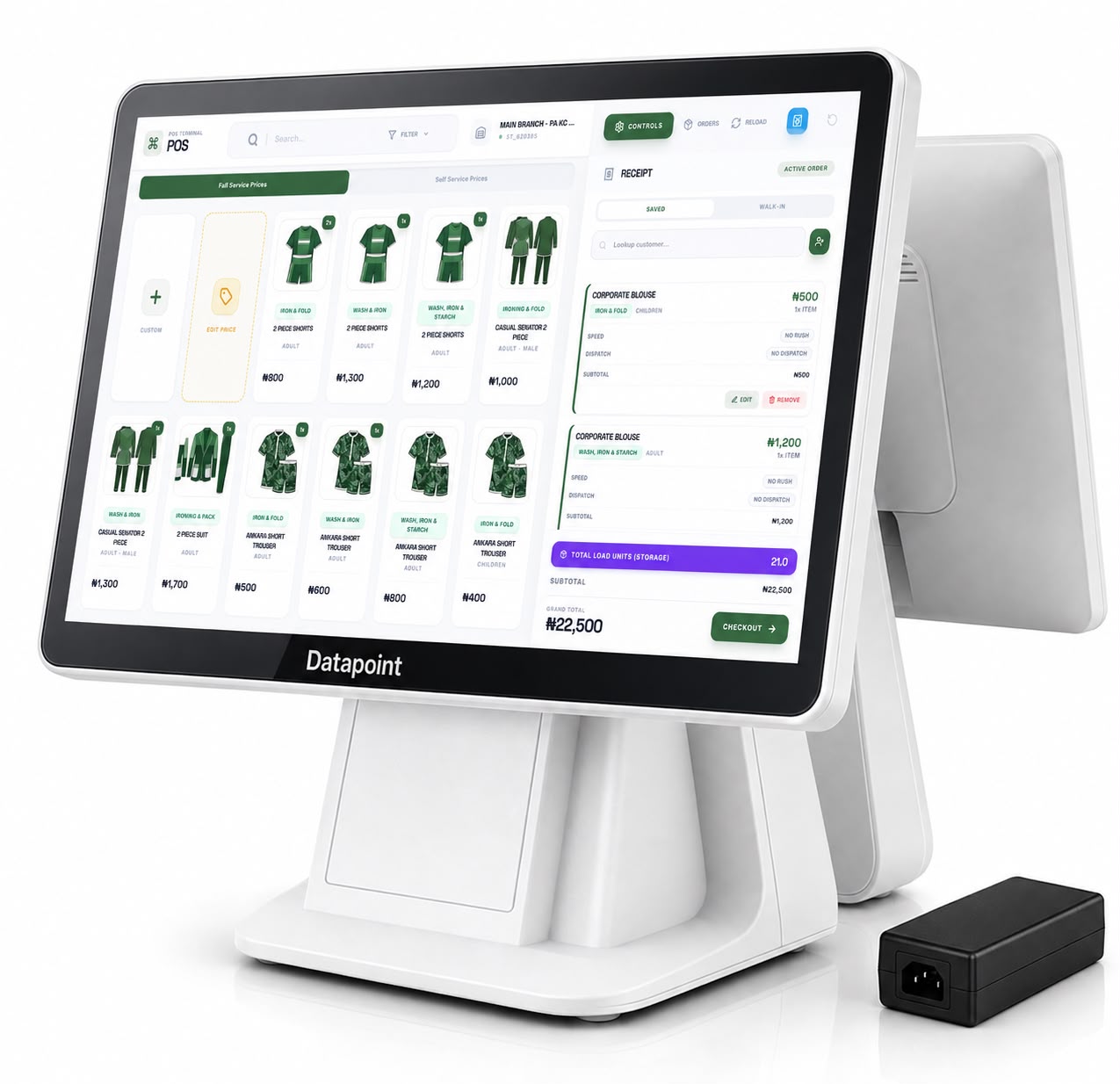
Finding the best detergents for your laundry business requires an understanding of the 2026 market: a landscape defined by advanced enzyme technology and a growing demand for eco-conscious cleaning. In Nigeria, where water hardness varies by neighborhood, your detergent must also be adaptable. By integrating the best tool to manage your laundry business, CloudLaundry, you can move beyond guesswork. Our platform allows you to track exactly how much detergent is being used per order, helping you identify the "sweet spot" where maximum cleanliness meets minimum waste.
The Three Pillars of Commercial Detergents
When evaluating a detergent for business use, you must look at three specific factors:
- Surfactant Concentration: These are the molecules that lift dirt. Commercial-grade detergents have a higher active-matter percentage than household brands, allowing you to use less product for the same results.
- Enzyme Profiles: Modern detergents use "smart" enzymes (Protease for proteins, Lipase for oils, Amylase for starches). The best detergents for professional use will have a multi-enzyme blend.
- Builder Quality: Builders are chemicals that soften water. In Nigeria, where "hard water" is common, a detergent with strong builders prevents minerals from redepositing dirt onto the clothes.
Powder vs. Liquid vs. Pods (The 2026 Verdict)
- Powder Detergent: Still the king for heavily soiled loads and whites. Powders generally have a higher pH, which helps open up natural fibers (like cotton) to release deep-seated dirt. It is also the most cost-effective for high-volume businesses.
- Liquid Detergent: The preferred choice for delicates, colors, and cold-water washing. Liquids dissolve instantly and are less likely to leave chalky residues on dark fabrics.
- Pods/Tablets: While convenient and great for preventing staff "over-pouring," they are typically too expensive for a high-margin commercial operation. They are best reserved for "Express" or "Self-Service" laundry models.
Specialized Detergents for the Nigerian Market
In 2026, a "one-size-fits-all" approach no longer works for premium laundries.
- The "White-Load" Booster: Look for detergents with "Optical Brighteners." These don't just clean; they coat the fabric in a microscopic film that reflects light, making school uniforms and white Agbadas look brilliant.
- Degreasing Formulations: Given our love for palm-oil-based soups, a detergent with high "Lipase" content is essential for any laundry business in Nigeria to avoid manual scrubbing.
CloudLaundry Inventory Tip: Use CloudLaundry to categorize your detergents. Assign "Premium Liquid" to your high-end designer orders and "Industrial Powder" to bulk bedsheets and towels.
The Impact of pH Balance on Fabric Longevity
A common mistake in laundry SMEs is using high-alkaline detergents for everything.
- The Danger: High pH (alkaline) is great for dirt but terrible for silk and wool. It makes fibers brittle and causes colors to bleed.
- The Solution: Invest in a pH-neutral detergent for your "Delicates" tier. This prevents the "rough feel" that customers complain about after their clothes have been washed multiple times.
Eco-Friendly and "Green" Detergents
In 2026, sustainability is a major selling point for high-end customers.
- Phosphate-Free: Phosphates are great for cleaning but terrible for Lagos and Abuja's waterways.
- Concentrates: Using "Ultra-Concentrated" formulas reduces plastic waste and lowers your shipping costs. Marketing your business as "Eco-Friendly" allows you to justify premium pricing.
Calculating Your "Cost Per Load" (CPL)
The cheapest bucket of soap in the market is often the most expensive to use.
The Math: If a N50,000 drum of detergent washes 500 loads, your CPL is N100. If a N30,000 drum only washes 200 loads (because you need to use more to get things clean), your CPL is N150.
CloudLaundry Analytics: CloudLaundry tracks your procurement against your order volume. Our reports can show you exactly which brand of detergent is giving you the best ROI based on actual usage data.
Managing Staff Over-Pouring
The biggest "hidden leak" in a laundry business is the staff's tendency to use "one extra scoop" for luck.
The Waste: Over-pouring doesn't make clothes cleaner; it actually makes them harder to rinse, leading to stiff fabrics and potential skin irritation for the customer.
The Fix: Use standardized measuring cups and provide clear "Dosing Charts" based on load weight. Use the CloudLaundry training module to educate your team on the "Science of the Scoop."
Softeners and Scent Boosters
Cleanliness is expected, but the scent is what the customer notices first.
- Scent Longevity: Choose a commercial-grade softener that survives the drying process.
- The "Signature Scent": Some successful laundries mix two softeners to create a unique smell that becomes part of their brand identity.
- Allergy Alerts: Use [CloudLaundry] to flag customers who are sensitive to perfumes. The system will alert the washer to skip the scent booster for those specific orders.
Case Study: The "Bubbles & Bright" Efficiency Turnaround
A laundry business in Port Harcourt was struggling with high chemical costs. They were buying 10 different retail soaps. By switching to a single high-concentration industrial detergent and using CloudLaundry to monitor dosing, they reduced their chemical expenditure by 35% in three months. More importantly, because the industrial detergent had better builders for the local hard water, their "re-wash" rate dropped from 12% to 2%. CloudLaundry proved that the more expensive industrial soap was actually cheaper in the long run because of its efficiency.
How CloudLaundry Optimizes Your Detergent Usage
CloudLaundry isn't just for receipts; it's an operational powerhouse.
- Inventory Management: Receive alerts when your detergent levels are low, so you never have to buy expensive retail soap in an emergency.
- Dosing Standards: Attach digital "Mixing Guides" to every order type within the app.
- Consumption Tracking: Compare the amount of detergent purchased vs. the number of loads processed to detect theft or massive waste.
- Vendor Management: Keep track of which suppliers provide the best prices for your preferred detergents.
Conclusion: Quality You Can Measure
The best detergents for your laundry business are those that provide a consistent, superior clean while protecting your profit margins. In 2026, "winging it" with whatever is on sale at the supermarket is not a strategy for growth.
By combining high-quality commercial chemicals with the data-driven oversight of CloudLaundry, you ensure that your business operates with scientific precision. You'll have cleaner clothes, happier customers, and a healthier bank account. Visit usecloudlaundry.com today to see how our inventory and operational tools can revolutionize your laundry business from the inside out.